Hard Water in Tallahassee: How Mineral Buildup Quietly Wears Out Your Plumbing
How often should a septic tank be pumped in Florida?
The EPA recommends pumping every three to five years and inspecting at least every three years. A large household or slow drains signal the shorter end of that range. A professional can set a schedule fitting your tank and use.
What is the first sign of a failing septic system?
Usually it's drains slowing throughout the house at once, often with gurgling toilets. Those indoor clues typically appear before anything shows in the yard, giving you the best shot at a simple repair if caught early.
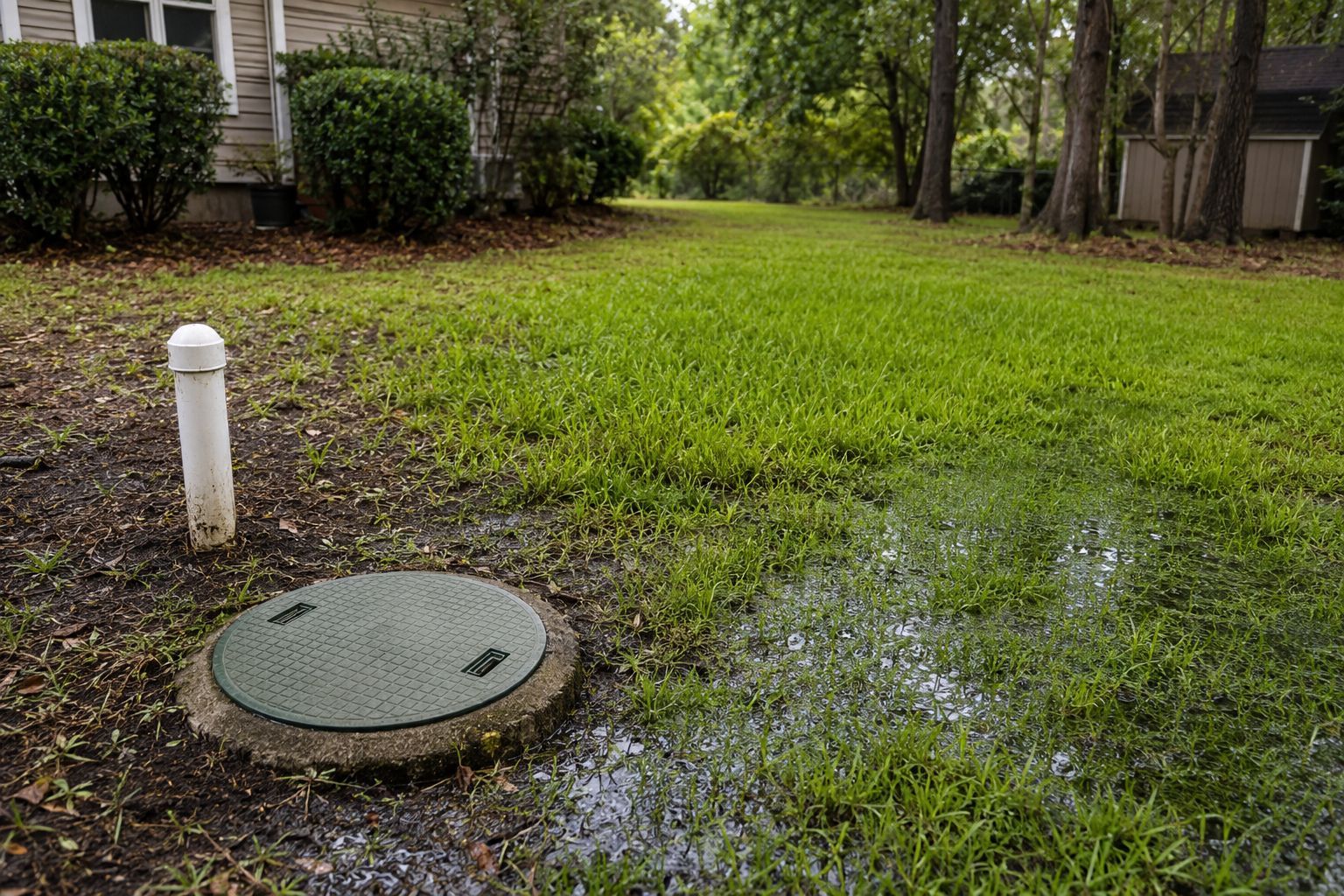
Why is the grass greener over my drain field?
Lush, fast-growing grass following drain field lines usually means extra moisture and nutrients are reaching the surface instead of absorbing underground. It's a common early sign worth checking before it becomes standing water.
Can heavy rain cause my septic system to back up?
Yes. Drain fields rely on unsaturated soil to absorb water. During storm season, saturated ground leaves nowhere for effluent to go, so a system running fine most of the year can back up during heavy rain.
Do tree roots really damage septic lines?
They can. Mature live oaks send roots toward steady moisture sources like septic lines, which can clog or crack over time, causing recurring backups. A camera inspection shows whether roots are the culprit.
How do I know if it is my septic tank or just a clogged drain?
A single slow fixture is usually local. Several drains slowing together, gurgling toilets, or outdoor odors and wet spots point toward the main line, tank, or drain field. An inspection reveals the real source.
Frequently Asked Questions
Quick Answer: Tallahassee tap water is hard because it travels through a limestone aquifer and picks up calcium on the way. The city reports an average hardness of about 150 mg/L as calcium carbonate, roughly 9 grains per gallon. That is not a health risk, but it leaves a slow layer of scale inside your water heater, on faucet aerators, and along the inside of your pipes. The damage is gradual, so most homeowners notice only the symptoms: white crust on fixtures, weak flow at the shower head, and a water heater that works harder every year. Testing your water, flushing the heater on a schedule, and treating the water at the point it enters your home are the steps that keep the buildup from winning.
You are brushing your teeth on a humid Tuesday morning when you notice the faucet spray has gone lopsided. One stream shoots sideways, another dribbles, and a ring of chalky white crust has settled around the base of the spout. You wipe it off with a thumb, and by the weekend it is back. Down the hall, the glass shower door has a film that no amount of scrubbing fully removes, and the water heater has started to rumble a little when it fires up. None of this looks like a plumbing emergency. All of it points to the same quiet cause, which is the water itself.
We have worked on Tallahassee plumbing for 25 years, and hard water is one of the most common things we see behind a long list of small complaints. It rarely announces itself with a burst pipe or a flooded kitchen. It works slowly, a thin layer at a time, until a fixture clogs, an element fails, or a water heater gives out years before it should have. Here is what is happening inside your pipes and what you can do about it.
Why Tallahassee Water Runs Hard
It Starts Underground
Tallahassee draws its drinking water from the Floridan aquifer, a deep layer of limestone that sits under most of the state. Rainwater soaks down through soil and rock, picking up dissolved calcium and magnesium as it passes through limestone. By the time it reaches a well pump, it is carrying those minerals along with it. The City of Tallahassee reports that its water averages about 150 mg/L of hardness as calcium carbonate, which works out to around 9 grains per gallon, and it describes that level as hard.
Hard Is A Rating, Not A Warning
The U.S. Geological Survey sorts water into categories. Under 60 parts per million is soft, 60 to 120 is moderately hard, 120 to 180 is hard, and anything above 180 is very hard. Tallahassee sits in the hard category, which means it is hard enough to leave scale behind but not at the extreme end of what Florida produces. Parts of the state pull water from deeper zones of the aquifer that run far harder than ours. The same USGS work notes that hard water has no harmful effect on human health, and plenty of Floridians drink water much harder than ours without a problem. The trouble is in your plumbing, not your body.
Your Address Matters
If your home is on city water in Tallahassee, you get the city average more or less. If you live outside the city limits in Havana, Monticello, Crawfordville, Quincy, or Perry and run on a private well, your hardness can be higher or lower depending on how deep the well goes and which layer of the aquifer feeds it. Wells in the Big Bend often pull from the same limestone, and some carry iron or sulfur on top of the calcium. That is why we always say to test before you decide anything.
What Scale Actually Is and How It Forms
Heat Is The Trigger
Calcium and magnesium remain dissolved in cool water but can form hard, chalky scale when heated. This carbonate hardness is common in Florida and can accumulate inside water heaters, fixtures, and supply lines over time.
It Builds In Layers
Each hot water cycle deposits a tiny mineral film. Over years, showers, dishwashers, and laundry gradually build thick scale that can insulate heating elements, restrict pipes, and interfere with small faucet components.
It Hides Where You Cannot See
Showerhead crust is only the visible evidence. Scale also develops inside tanks, tankless heat exchangers, faucet cartridges, appliance valves, and older supply lines, often accumulating for years before reduced flow or performance makes it noticeable.
The Water Heater Takes the Worst of It
Sediment Sits Where The Heat Is
In tank water heaters, minerals settle across the bottom and heating surfaces. Gas burners heat through the crust, while electric elements can become buried and overheat. Rumbling or popping noises often indicate water boiling beneath accumulated sediment.
The Efficiency Loss Is Measurable
Pacific Northwest National Laboratory testing found hard water reduced gas storage heater efficiency from roughly 70 to 67 percent after two equivalent years. Gas tankless efficiency fell from about 80 to 72 percent, then recovered partially after descaling.
Tankless Units Are More Sensitive
Tankless heat exchangers contain narrow passages that can accumulate scale quickly. In Tallahassee, water quality therefore plays an important role in maintenance. Mineral buildup can contribute to error messages, reduced heating performance, and lukewarm showers.
Maintenance Is The Cheapest Defense
The City of Tallahassee recommends regular water heater maintenance because local water is hard. Scheduled tank flushing removes loose sediment before it hardens, while waiting for performance problems can leave deposits firmly established and difficult to remove.
Tip: Once or twice a year, attach a hose to the drain valve at the bottom of your water heater and run a few gallons into a bucket. If the water comes out cloudy, gritty, or full of white flakes, sediment is building faster than you think and the tank deserves a proper flush and inspection soon.
Fixtures, Aerators, and Appliances
Aerators Go First
The small screen at a faucet tip often collects scale before other fixtures. White flakes in hot water can come from calcium breaking loose inside the aerator or water heater. As buildup blocks the screen, flow weakens and the spray becomes uneven, creating the familiar lopsided faucet pattern.
Shower Heads Follow
Shower heads contain dozens of tiny openings where mineral deposits can accumulate. Vinegar soaking may temporarily restore flow, but repeated cleaning every few weeks suggests an underlying hardness problem. Persistent buildup reduces spray performance and indicates that the water supply is continually depositing calcium inside the fixture.
Valves And Cartridges Wear Out Early
Scale can restrict flow while damaging internal components. Mineral crystals inside faucet cartridges, toilet fill valves, and washing machine inlets can scratch seals and prevent proper closure. Those deposits may contribute to dripping faucets, leaking valves, or toilets that unexpectedly continue running long after flushing.
Appliances Carry The Same Load
Dishwashers, ice makers, coffee machines, and washing machines all receive the same hard water. Spotty glassware, stiff laundry, and declining dishwasher performance can signal mineral buildup. USGS also identifies increased soap use, bathtub scum, laundry residue, and scale in heaters, pipes, and cooking utensils.
Your Skin And Hair Notice Too
Hard water minerals interfere with soap lather and can leave residue on skin and hair. Some people notice dryness or dullness after bathing and may use more soap or shampoo. The minerals can reduce cleaning efficiency, leaving a film that remains even after thorough rinsing.
What It Does to the Pipes Themselves
The Inside Narrows Over Time
In supply lines, scale forms a rough lining that grows thicker year after year. Water has to squeeze through a smaller opening, so pressure drops at the far end of the house, usually the second floor bathroom or the back of a long run. This shows up first on the hot side, since heat speeds the process.
Older Homes Feel It More
Tallahassee has plenty of homes from the 1960s through the 1980s, and many still carry older supply lines. A rough, scaled surface gives corrosion a place to start, and mineral deposits can hold moisture against the metal. That is not a guarantee of failure, but it is one reason an older line with heavy buildup is worth a look during any remodel or repair.
Drains Get A Share
Hard water leaves scale in drain lines as well, particularly in kitchen and laundry drains where soap and mineral combine into a gummy residue. That mix is a big part of why a drain slows down again a few months after a cleaning.
Humidity And Storms Add Pressure
North Florida's humid climate means water heaters and fixtures stay damp, and hurricane season brings power outages, boil notices, and pressure swings that stir up sediment already sitting in a tank or line. After a big storm, it is common to see a burst of cloudy or gritty water at the tap as that settled material moves. If that happens at your house, run the cold tap for a few minutes first and check your aerators.
Warning: Do not pour a strong acid cleaner into a water heater tank or down fixtures to dissolve scale on your own. Acid can attack seals, linings, and the anode rod, and mixing cleaners in a closed system can release dangerous fumes. If scale is bad enough that you are tempted to try it, have a plumber inspect the equipment instead.
Softener, Filter, or Both
They Do Different Jobs
People use the terms interchangeably, and they should not. A water softener works by ion exchange. It swaps the calcium and magnesium in your water for sodium or potassium, so scale never forms in the first place. A filter removes things like sediment, chlorine, and certain chemicals, but a standard filter does not remove hardness minerals. If your main complaint is white crust and a worn out water heater, you are describing a hardness problem and a softener is the tool for it. If your complaint is taste, odor, or particles, a filter is likely the better answer. Many homes on well water need both.
Reverse Osmosis Fills Another Gap
A reverse osmosis system pushes water through a fine membrane at one tap, usually the kitchen, and gives you very pure water for drinking and cooking. It does not protect the rest of the house, so it works best alongside whole home treatment rather than in place of it.
Where The System Goes Matters
A whole home system sits where the main line enters the house, so every faucet, appliance, and the water heater get treated water. A system at a single tap protects only that tap. Since the water heater is where scale does the most damage, treating water before it reaches the heater is usually where the value is.
The Right Answer Depends On Your Water
City water in Tallahassee averages about 9 grains per gallon, but your house may differ, and your well may differ a lot. That is the reason we begin with a water test. A recommendation without a test result is a guess, and we would rather not sell you equipment you do not need.
How to Tell If Hard Water Is Already at Work in Your Home
Look At The Usual Suspects
White or gray crust around faucets and the base of shower heads is the most obvious sign. Cloudy film on glassware, spots on the shower door, stiff laundry, and soap that refuses to lather all point the same direction. A shower that has lost its force, a faucet with a crooked spray, or a water heater that has started to make noise are the next tier of evidence.
Check The Aerator
Unscrew the aerator on a bathroom faucet and look at the screen. If it is packed with white or tan grit, you have your answer. This takes a minute and needs no tools beyond your fingers or a small wrench.
Look At The Heater
If your water heater is more than eight years old and has never been flushed, assume sediment has already built up. That does not mean replacement is needed. It means a flush and an inspection are overdue, and a plumber can tell you whether the tank has a few more good years in it.
Test The Water
Home test strips give a rough idea of hardness, but a proper water test shows the actual numbers, including hardness, iron, and anything else that would change what we recommend. Testing also settles the question of whether you have a hardness problem, a contaminant problem, or both.
Why Tallahassee's Ground Makes This a Bigger Deal
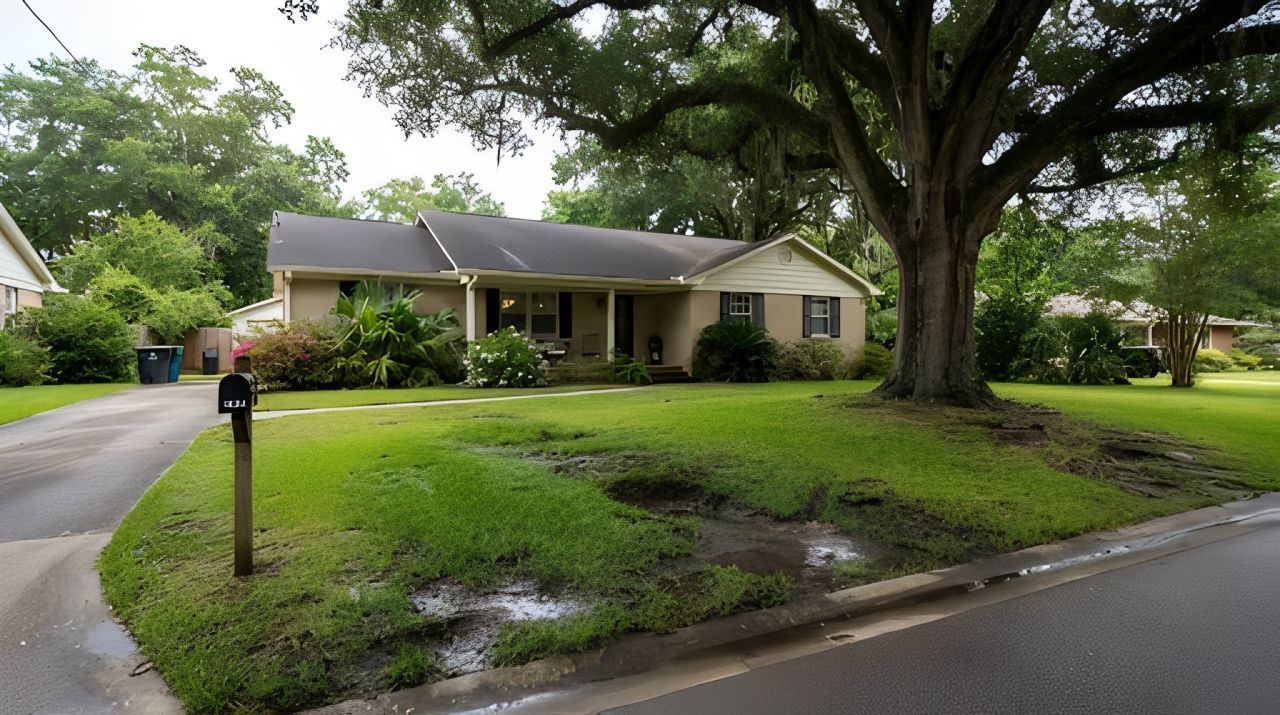
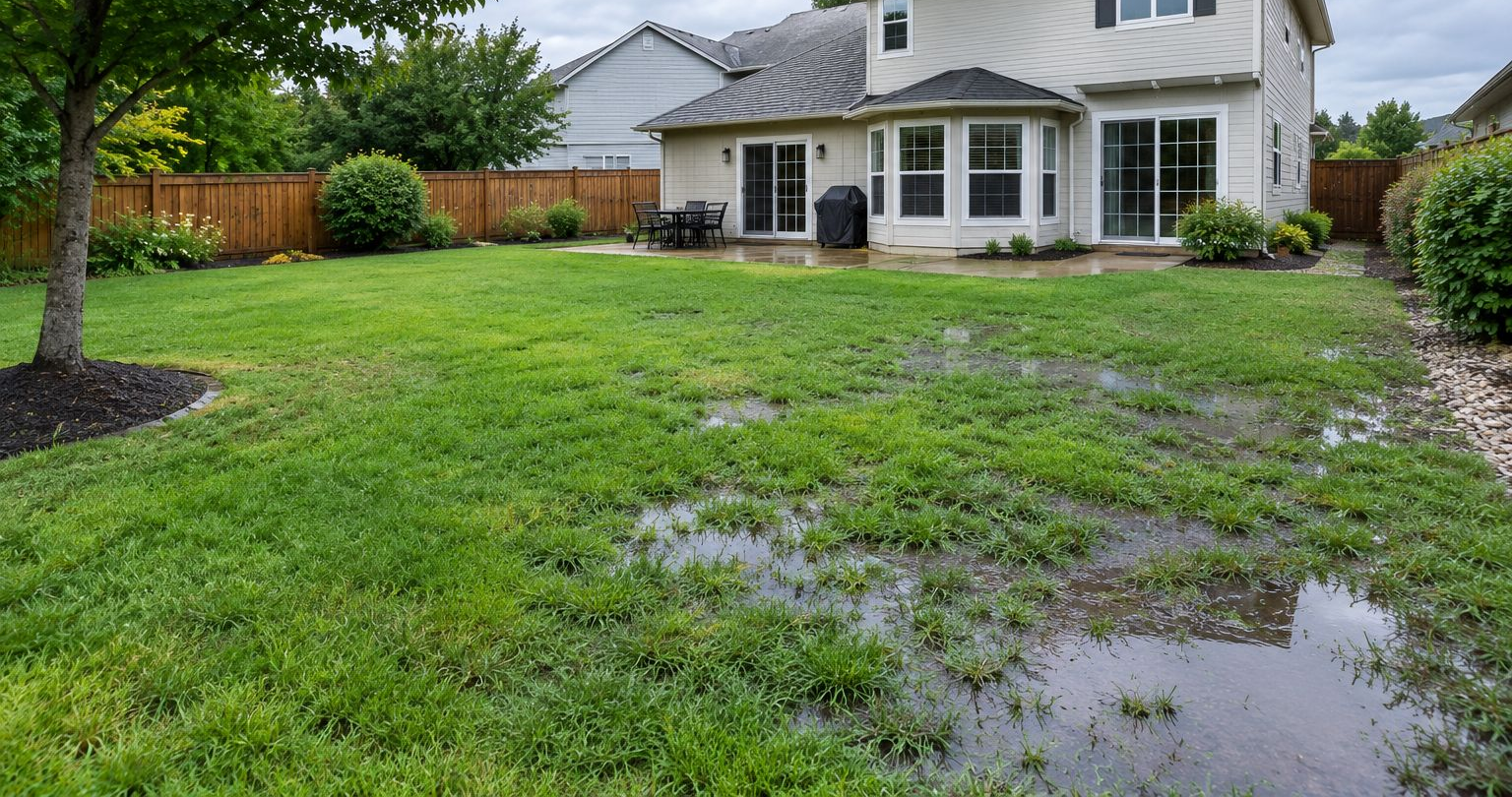
Plenty of places deal with occasional storm flooding, but Leon County stacks several factors that make water table issues a routine part of owning a septic system here rather than a once-a-decade surprise.
Roughly thirty thousand households in Leon County rely on a septic system rather than city sewer, and a large share of them sit in the lower-lying areas south of Tallahassee, where groundwater naturally runs closer to the surface than it does farther north. Add a humid subtropical climate that delivers intense afternoon downpours all summer, plus the occasional tropical system in late summer and fall, and the water table in these areas can rise several feet in a matter of days. Then it drops again just as fast.
The soil itself does not help matters. Much of the region sits on a mix of sandy and clay layers that drain unevenly. Sandy soil alone would let water pass through quickly, but interspersed clay slows that process, holding water in the profile longer after a storm than a uniformly sandy site would. That combination means a drain field that handles routine household use just fine can still get overwhelmed for a few days every time a serious rain event rolls through.
Frequently Asked Questions
Is hard water in Tallahassee safe to drink?
Yes. Hard water has no known harmful health effect, and its calcium and magnesium are minerals your body already uses. The concern is your plumbing, appliances, skin, and hair. A water test answers taste questions.
Will a water softener fix the white buildup I already have?
A softener stops new scale but does not instantly dissolve existing deposits. Heavy buildup in heaters, shower heads, or tankless exchangers needs direct flushing or descaling first, then softening keeps it from returning.
How often should I flush my water heater in North Florida?
Once a year is a good starting point on hard water, and some homes need twice. If the drain shows heavy sediment, flush more often. Tankless units need yearly descaling, depending on usage and hardness.
Can hard water damage my pipes?
Over many years, yes. Scale narrows supply lines, drops pressure at the far end of the house, and roughens surfaces. It rarely causes sudden failure, but older homes with older supply lines show effects sooner.
I am on a well outside Tallahassee. Is my water harder than the city's?
It can be harder or softer, depending on well depth and which aquifer layer feeds it. Many Big Bend wells also carry iron or sulfur, so a water test is the only reliable answer.
Do I need a softener, a filter, or reverse osmosis?
It depends on your test results and what bothers you. Softeners target hardness, filters handle sediment, chlorine, taste, and odor, and reverse osmosis cleans drinking water at one tap. We recommend only what your water needs.
Stopping Hard Water Damage Before It Builds
Hard water is not a crisis, and that is exactly why it does so much harm. Nothing forces you to deal with it until a heater fails or a fixture clogs for the third time, and by then the buildup has had years to do its work. The good news is that it responds well to attention. Flushing the heater, cleaning the aerators, and learning what your water really contains put you ahead of the problem before it adds up.
Mike Seeders Plumbing Inc
in Tallahassee, FL, has spent 21
years helping homeowners read the early signs of scale and choose the right fix. A simple water test shows whether a softener, a filter, or no equipment at all makes sense for your house. Recommending only what the water calls for keeps the cost sensible and the results lasting. With the right plan, heaters run longer, fixtures stay clear, and the pipes keep doing their quiet work.
Soggy Yard and Slow Drains After a Tallahassee Downpour? What a High Water Table Does to Your Septic